

Green road project
17 January 2025
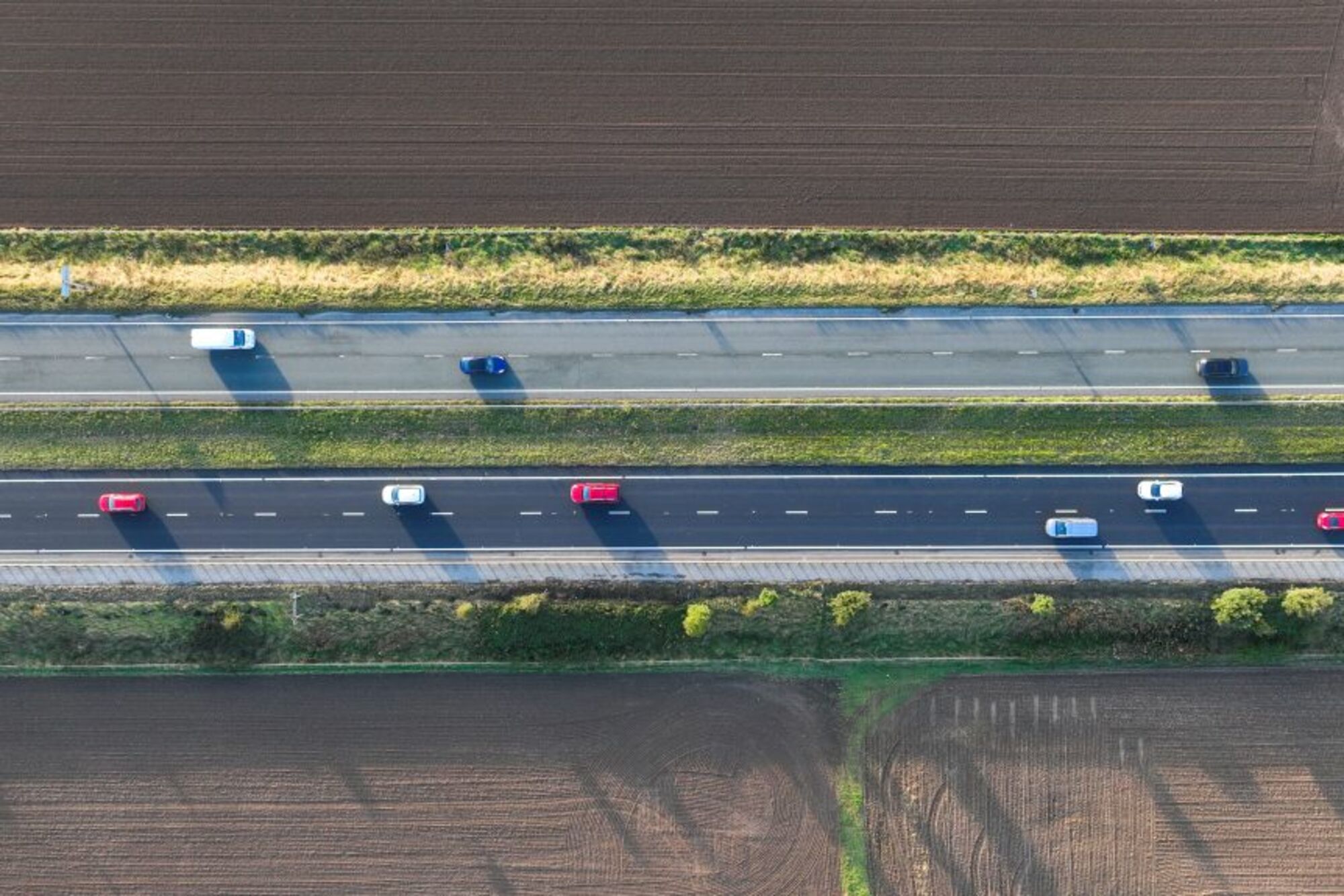
A number of zero-emissions items of plant and vehicles including prototypes have been used in North Yorkshire by Tarmac and National Highways to deliver environmental saving without carbon offsetting in a road resurfacing trial.
The seven-day project was delivered on a 1.5-mile section of the A64 eastbound carriageway at junction 44 near Bramham. Carbon emissions were reduced by 75% compared with traditional methods, with over 260 tonnes of carbon savings delivered.
A warm mix asphalt was used together with a new ‘carbon sink’ bio-component binder from Shell, which is designed to lock carbon into the road to prevent it being released into the atmosphere.
The lower layer of the pavement used 40% recycled asphalt planings with a further 20% being integrated into the surface course to help reduce the need for primary materials.
Overall, 41.3% of the project’s carbon reduction total was delivered using low carbon raw materials, 14.7% from the transport of materials and the paving process, including the use of electric plant, and 44% from employing sustainable manufacturing techniques.
Plant deployed included including and hybrid road rollers and an electric bond coat sprayer, minimising noise and further reducing tailpipe emissions as well as CO2. Tarmac’s Cross Green asphalt plant in Leeds, which manufactured many of the materials used on the project, was powered by a combination of biofuel and clean electricity.
Other construction methods were used to give a more durable and smooth road surface. These included an ‘echelon’ paving method, where asphalt is laid across the entire road surface, rather than in lanes.
Eliminating joins reduces water infiltration and is gives a roadway that is expected to last more than 20% longer than those built using conventional methods. It also requires less maintenance, reducing operational carbon in the longer term.
● Subscribe to the blog to receive regular news updates here.