

Fantastic plastic
3 January 2025
A new study claims to have made advances in the development of plastic that can fix itself after it has been cracked or broken.
A research team led by Bournemouth University added specially developed nanomaterials to plastic samples which allowed them to ‘self-heal’ after being damaged and to retain almost all their original strength.
The research team believes that the findings, published in the journal Applied Nano Materials, could open the door to a wide range of sustainable products and a reduction in plastic waste.
“We are following the same process as Mother Nature – when you cut your finger, the blood will initially solidify to cover the crack until the skin tissue seals it, and that is what we are doing with our plastics,” said Dr Amor Abdelkader, Associate Professor in Advanced Materials at Bournemouth University, who led the study.
“Most of the things in our everyday lives have plastic in them and this has potential to extend the life of a whole range of products and reduce waste, from re-useable drink bottles to mobile phones, to plastic pipes and so much more,” he added.
Dr Abdelkader and his team used nanosheets of a material called MXene, which looks like a powder to the naked eye and is used in industry as a reinforcement agent to strengthen plastics. Before adding this to the plastics, they attached chemicals to the MXene to create a healing agent with glue-like properties.
The healing agent sits dormant like a gel until the plastic around it is broken and it is exposed to the humidity in the atmosphere, at which point it is activated and bonds the broken sections back together.
“Using MXene with our healing agent means that we get the benefits of stronger plastic, which is harder to break, but if it does break, it will fix itself. The process takes just a few minutes, and we managed to restore the plastic to 96% of its original strength,” said Dr Chirag Ratwani, who was the chief scientist in the project whilst studying for his PhD at Bournemouth University.
Building on this healing function, the team is now carrying out research to design new devices that could last longer by repairing themselves.
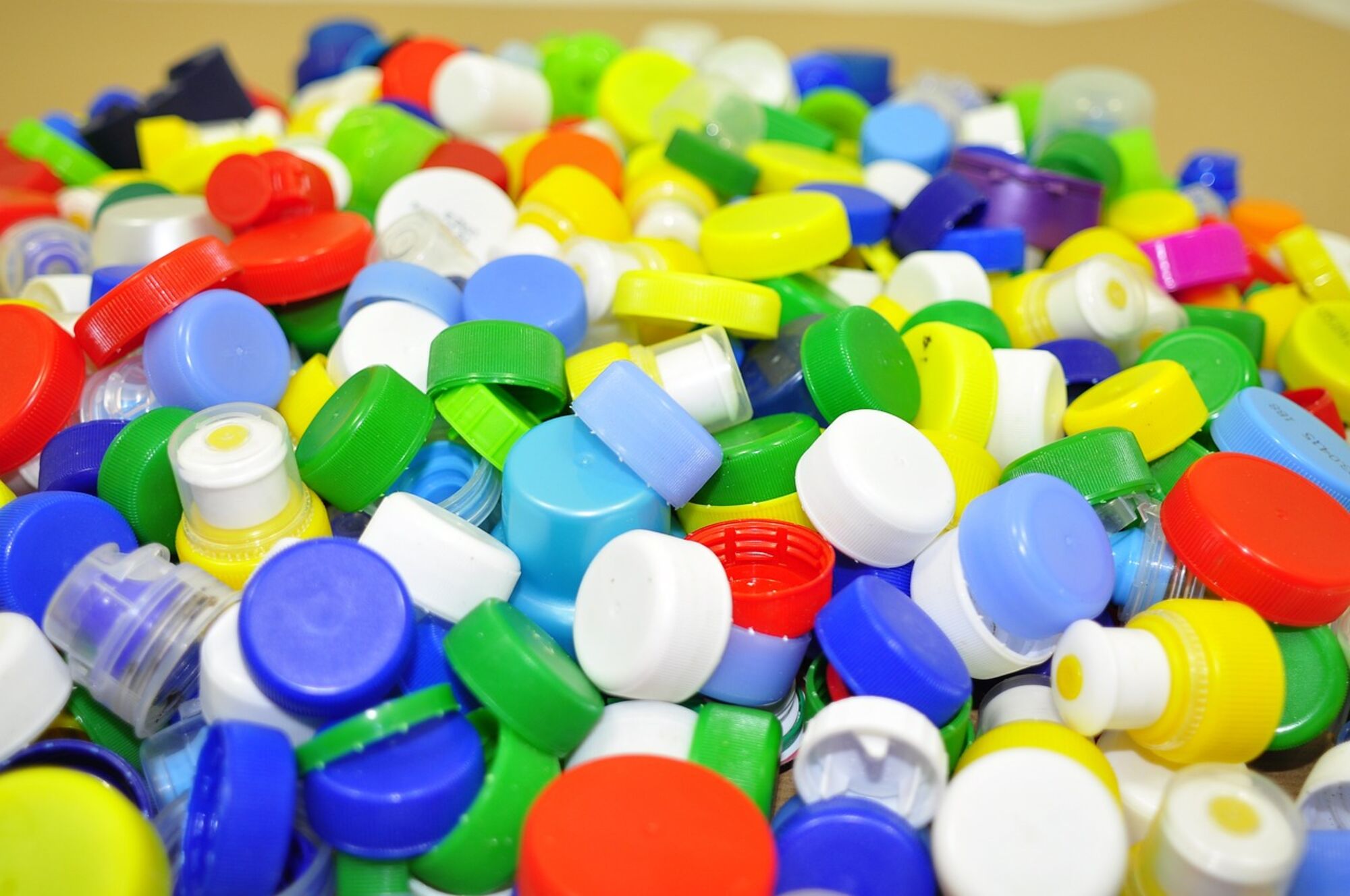
Photo: a library picture of plastic bottle tops - Artur Konik/Pixabay
● Subscribe to the blog to receive regular updates here.