Lithium battery recycling
23 October 2024
The Anglo-Australian battery technology business Gelion has announced the incorporation of a wholly owned subsidiary, Battery Minerals Ltd, in the UK to develop and then commercialise the lithium-ion recycling technology acquired from Johnson Matthey in 2023.
Battery Minerals has also been awarded a grant of up to £170,000 by the UK government's Department of Business and Trade and facilitated by the Advanced Propulsion Centre UK as part of the Technology Developer Accelerator Programme.
Battery Minerals aims to develop a novel recycling process designed to provide lower cost, lower waste, lower eCO2 and provide the ability to efficiently extract lithium from more battery scrap sources.
The grant will be used to support a market-focused study and technology development programme to identify the most efficient route to commercialisation of the recycling technology.
The programme will be delivered in two phases. The first will comprise a market-focused techno-economic analysis and product strategy with the support of industry partners, to be completed by January 2025. The second running from February to November 2025 would include research and development to increase the technology readiness level of the recycling process and potentially support a feasibility study for a larger scale pilot plant.
Gelion CEO John Wood said: "The IP [intellectual property] suite includes an overarching patent application for the end-to-end process and individual patent applications for each process step. Collectively the 10 patent families offer an efficient and effective method to recover lithium and other component minerals from scrapped lithium-ion cells. This exercise aims to identify the most efficient pathway toward commercial value of the Recycling IP portfolio."
Battery Minerals aims to increase the recycling of lithium-ion and sodium-ion battery waste, contributing to the creation of a circular economy for battery metals such as lithium, nickel and cobalt.
Gelion says that many current battery recycling processes use crude chemistry meaning they are highly capital intensive, generate large quantities of solid waste and are inefficient at recovering available value, such as limited lithium recovery. This means long investment payback timelines and difficulty in establishing processes in high regulation environments like Europe and Australia.
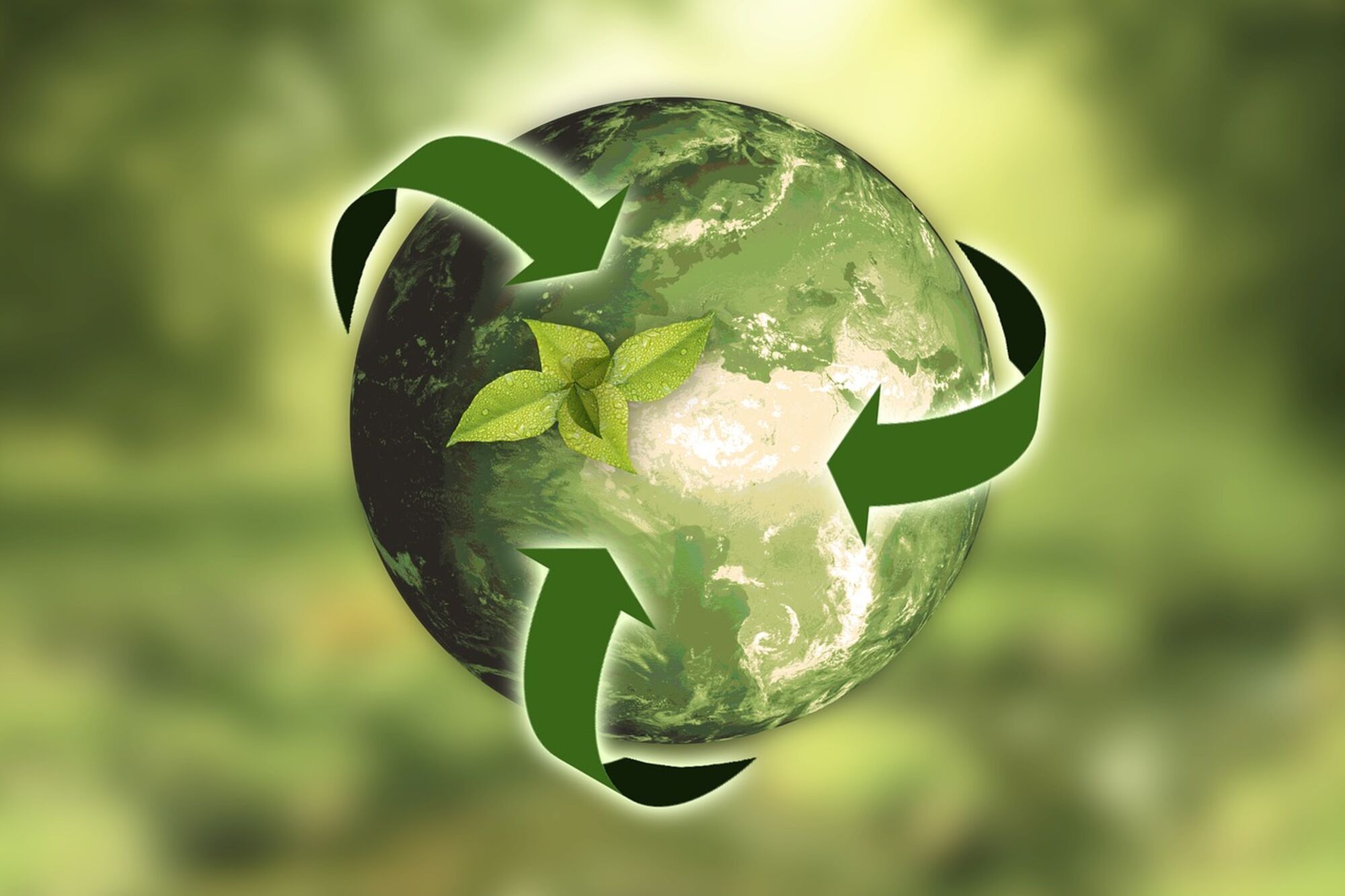
Photo: Anncapictures/Pixabay
● Subscribe to the blog for regular updates here.