
Positive outlook
22 December 2025
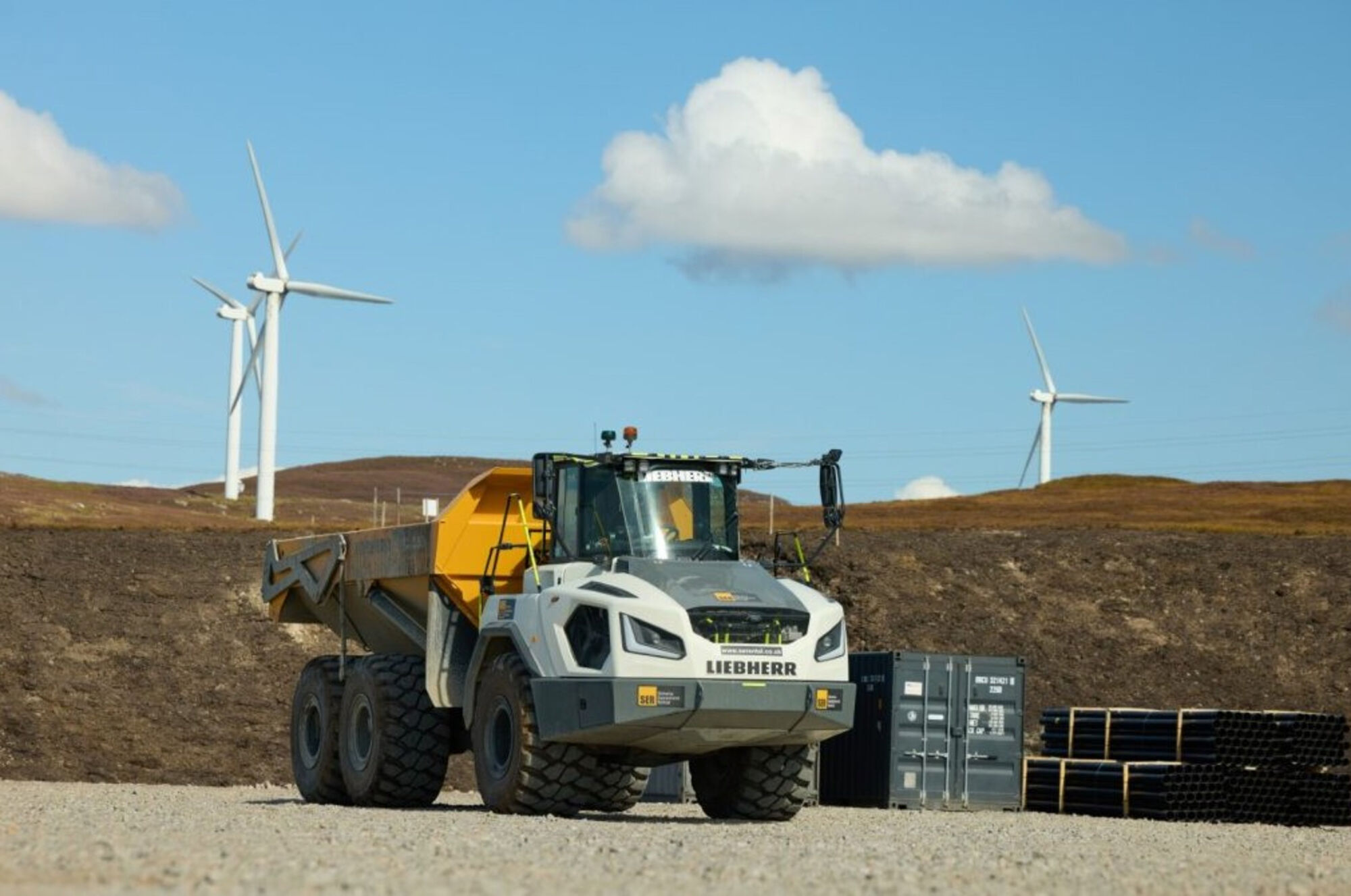
While the equipment in its fleet might be larger than that generally covered on the blog, comments from heavy plant hirer Stevens Equipment Rental about prospects for 2026 are very much worth highlighting.
The Cumbria-based company’s sales managers report that while 2025 may have started slowly for the wider UK construction market, the acceleration of its business “has been phenomenal. Demand for our fleet has been off the charts, making our 50th anniversary a truly transformational year for the business. We’ve added a record number of new machines, opened a southern depot in Northamptonshire, and expanded our team of support staff across the country.”
Mark Need, SER’s sales manager for the North and Scotland, adds that in a stop-start economy, contractors are increasingly choosing the flexibility of equipment rental over the long-term liability of ownership.
He also says that Scotland is becoming a powerhouse of UK construction activity, with a strong pipeline of renewable energy projects for the next decade, along with associated housing and road construction.
“We’ve got machines on a lot of projects related to wind farms and substations and they all require supporting infrastructure. Hence, we’re also supplying equipment for the dualling of the A9 between Perth and Inverness, for example.”
And recognising the need for dedicated local support, SER has expanded its team of Scotland-based service engineers and are in the advanced stages of planning a new, fully equipped depot north of the border.
Regarding sustainability, the company says customers are adopting a pragmatic approach.
Ben Beard, sales manager for the South, says: “The industry is rightly excited about the long-term potential of electrification but for large-scale earthmoving projects, commercially viable solutions are still in their infancy.”
“We are closely monitoring electric machine advances and are expecting to have initial results from our hydrogen fuel cell trials in Q2 2026. However, the single most impactful thing we can do for our customers’ environmental performance at this point in time is to run an exceptionally young fleet. By investing in brand new machines with the latest Stage V engines, we guarantee they are using the most fuel-efficient, low-emission diesel technology ever built.”
And echoing a theme expressed in a number of recent blog posts, SER believes that the emphasis of a hire business should always be on people and service.
“In a challenging market, the smartest choice is the lowest risk,” says Mark Need. “The real financial danger isn’t the weekly hire rate; it’s a machine not being available when promised, not meeting safety standards, or breaking down on site.”
He adds that SER focuses on “providing a young, premium fleet, specified and purchased according to direct customer feedback. This is all supported by a responsive service team and a structure where our customers have a direct line to senior management. By listening to our customers and investing ahead of the curve, we’re not just preparing our business for 2026; we’re ensuring our partners have the certainty and the advantage they need to succeed.”
Positive sentiments indeed. And a number of other hirers and suppliers have told me they believe construction activity will gain more momentum after the winter slowdown, increasing further in 2027 as Britain starts building in earnest the houses and infrastructure services that are so urgently needed.
● Subscribe free to the blog here to make sure you receive my regular news updates for tool hire and plant hire professionals.