

New towns proposed
29 September 2025
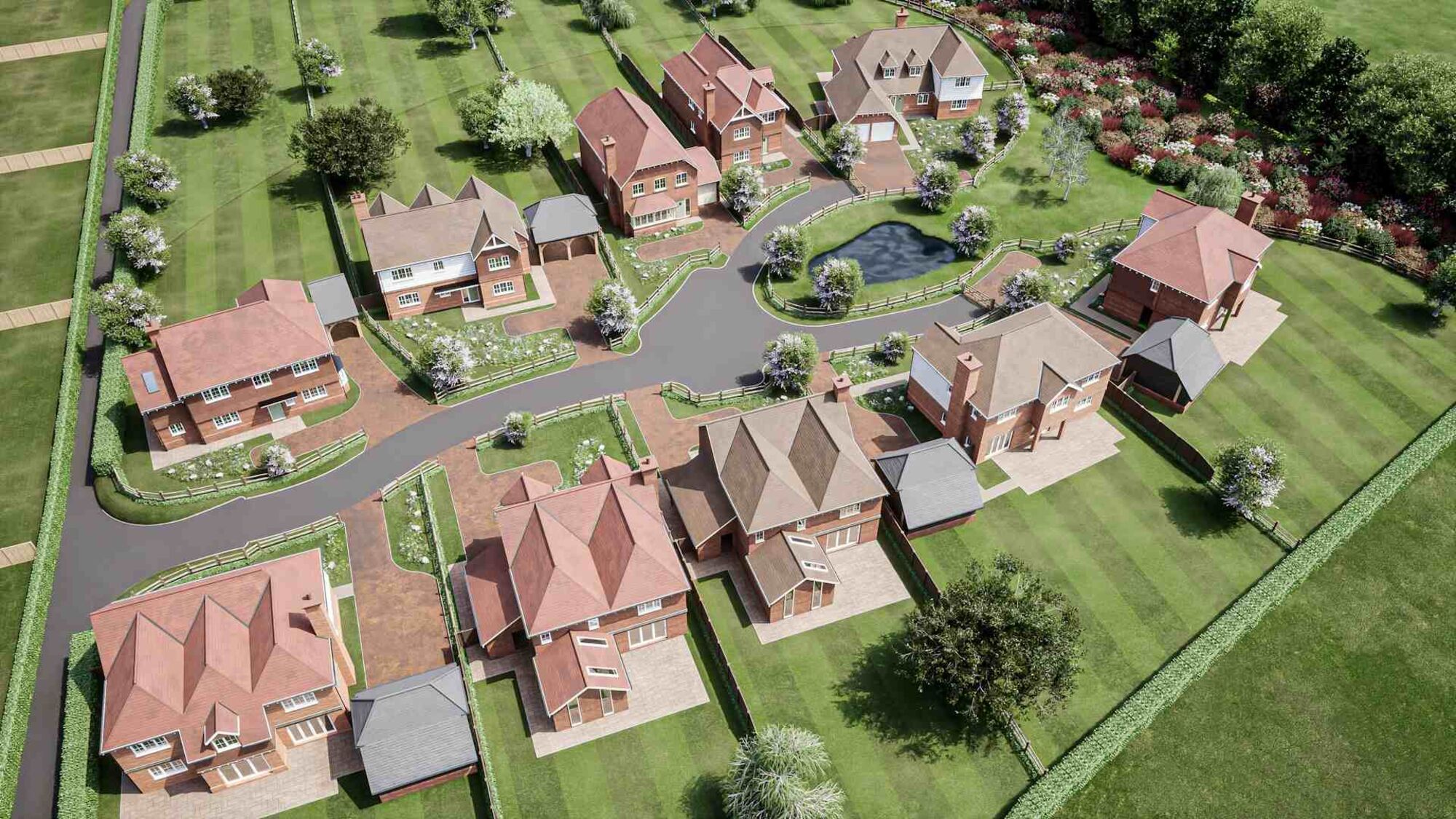
The government has confirmed it will progress work on the next generation of new towns across England, following publication of an independent report that recommends 12 potential locations.
It says it it wants to begin building in at least three new towns during this Parliament and is prepared to start work at more locations if it proves possible.
The 12 recommended locations are at: Adlington, Cheshire East; Brabazon in South Gloucestershire; Chase Park and Crews Hill in Enfield; Heyford Park in Oxfordshire; urban development in Leeds; inner-city development in Manchester; Marlcombe, East Devon; a ‘renewed town’ in Milton Keynes; densified development in Plymouth; a new settlement in Tempsford, central Bedfordshire; Thamesmead in Greenwich; and expanded development at Worcestershire Parkway in Wychavon.
A New Towns Unit will be established by the government to work with all departments and unblock barriers to delivery.
As reported previously on the blog here, a New Towns Taskforce was commissioned to explore different approaches to large-scale development. In its report, the taskforce has recommended a mixture of large-scale communities including urban extensions, urban regeneration and stand-alone greenfield sites should be built.
It says each new town should have at least 10,000 homes with an ambition for a minimum of 40% affordable housing and half of which will be for social rent. The Taskforce has also set out a range of recommendations for delivery, including the importance of accountable delivery bodies who are able to provide long term certainty for communities in new towns.
The government will publish the draft proposals and final Strategic Environmental Assessment (SEA) for consultation in Spring, before confirming the locations that will be progressed as new towns soon after.
● The first new towns in the UK were built as a post-Second World War response to provide better housing for a bombed-out population and a revitalising economy under the powers of the New Towns Act 1946 and later legislation. Designated new towns were placed under the supervision of a development corporation.
Later developments included ‘expanded towns’, existing towns which were substantially enlarged to accommodate the overspill population from densely populated areas of deprivation. There were three waves of construction, with the initial phase of designated towns announced in 1946 to 1950 and including locations like Harlow and Corby; the second wave was announced in 1961 to 1964 with Runcorn and Redditch amongst the designated areas, followed by the final group from 1967 to 1970 with the likes of Milton Keynes and Telford.
These original new towns have left a mixed legacy, according to Wikipedia. In July 2002, the Select Committee on Transport, Local Government and the Regions concluded that: “While many New Towns have been economically successful, most now are experiencing major problems. Their design is inappropriate to the 21st Century. Their infrastructure is ageing at the same rate and many have social and economic problems. Many are small local authorities which do not have the capacity to resolve their problems.”
The report added: “The new towns are no longer new and many of the quickly built houses have reached the end of their design life. The masterplans dictated low density development with large amounts of open space, and housing segregated from jobs, shopping and business services. These created a car dependency and are now not considered sustainable. Low density developments are expensive to maintain. Roads and sewers are in need of expensive upgrades.”
It would be fascinating to see how history will view the next new towns that get the go-ahead.
Subscribe free to the blog here to make sure you receive regular news updates for tool hire and plant hire professionals.