
One Thing: Chris Archer
21 March 2025
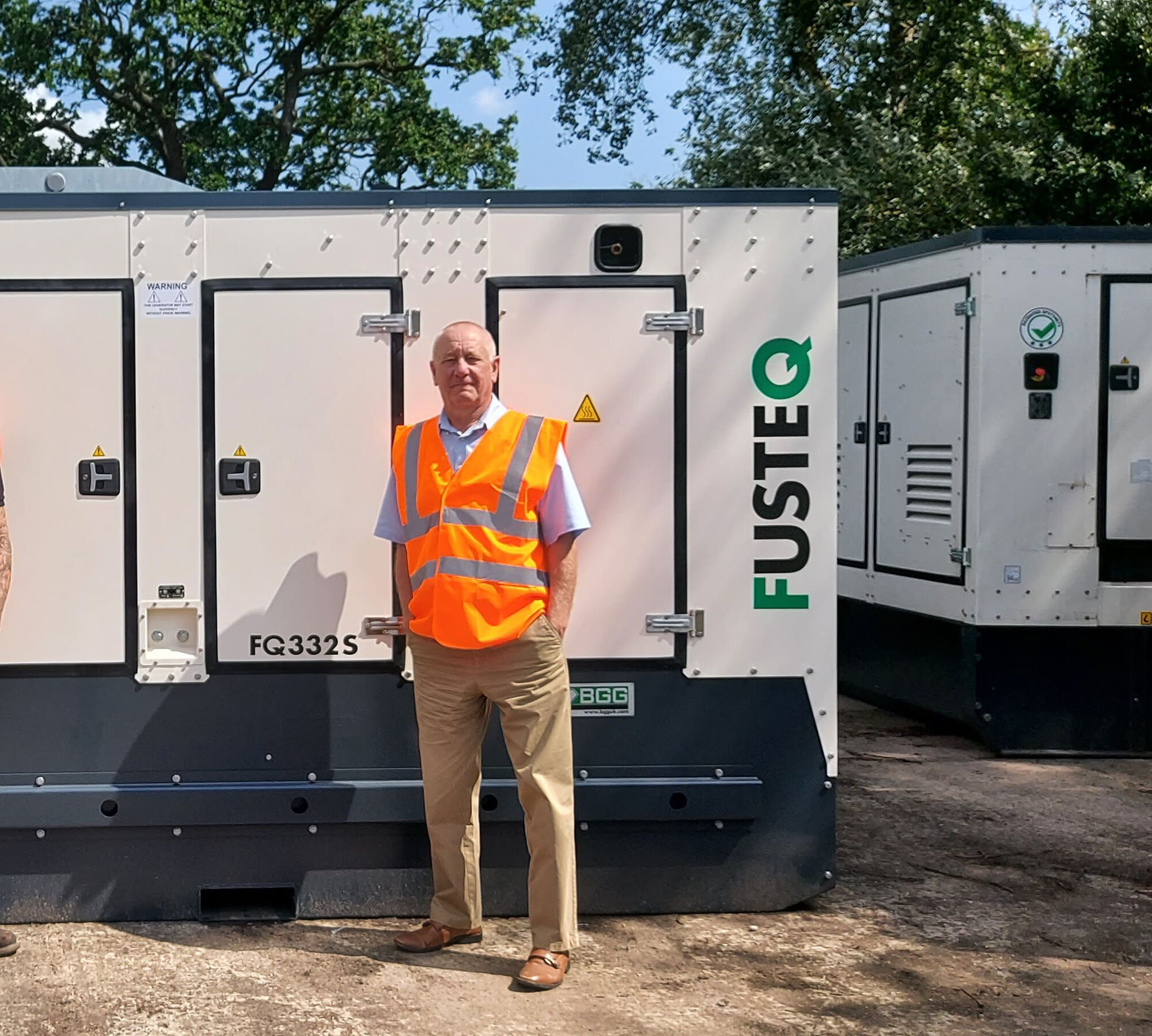
Chris Archer is Managing Director of BGG UK, the Essex-based distributor of generators and equipment manufactured by the Italian Bruno Group. He believes there should be better provision generally for training the people who service and maintain this equipment, which is becoming ever more sophisticated. And he’s trying to do something about that…
ONE THING that would help our business and the power generation industry generally is a formalised method to enable people to gain the academic qualifications required for our specialist discipline, which includes work with medium and high voltage equipment. That would allow us to offer an apprenticeship – but there’s no place for people to get it.
A local technical college told us they didn’t have the demand to warrant employing a lecturer to develop such a course. So, we’re looking at ways in which we can devise a CPD-approved (Continuing Professional Development) training programme we could offer ourselves in-house, which would enable us to take on more people in a formalised apprenticeship.
We’ve reached out on numerous occasions to local training facilities that are often contacted by councils to run the academic NVQ side of apprenticeships, but we hit a brick wall because they don’t understand our requirements or the potential demand, resulting in a chicken-and-egg situation.
A generator obviously has two basic components of a fixed speed engine running at 1,500rpm, 1,800rpm or 3,000rpm plus systems using various voltages including single-phase 240V, three-phase 415V and higher voltages. The last time I asked a local college, they could only offer a course based on a variable speed diesel bus engine, and the electrical course just gave the skills needed to wire up domestic equipment and for operations like PAT testing.
That’s why we have decided to train in-house on our own Bruno equipment course – albeit with fewer trainees than we could accommodate if there was a dedicated programme. They start in the spares department picking parts and can end up as a fully trained engineer after four or five years in the field. After that they can obviously stay with us or move anywhere in industry with confidence that they are highly skilled.
We have developed several people in this way who are now in management and field engineering roles with us. But we could train many more if there was a formal course available.
There is a complete shortage of trained generator engineers and, as older technicians retire, there is no pathway for youngsters coming into the industry. It’s not like the old days when the engines we used were very simple: they are now highly complicated pieces of equipment.
● BGG UK is working hard to develop its training course further for in-house delivery, and I hope to cover this more fully in the future.
Subscribe free to the blog here to receive regular news updates for tool hire and plant hire professionals.