
Double-cab dilemma
14 February 2025
In the wake of the government’s Autumn Budget, a number of hire industry professionals have bemoaned the announced changes to regulations on how double cab pickups are to be treated regarding car benefit in kind and tax treatment. These come into effect from 6 April 2025 onwards.
Essentially, HMRC will no longer align its interpretation of the terms ‘car’ and ‘van’ for tax purposes with those used for VAT. Under the latter, double cab pickups are classified based on payload capacity, with anything under one tonne classified as a car, and anything above a tonne as a van. This rule was replicated as a pragmatic way of resolving the primary suitability and classification of double cab pickups.
The government says the change follows a court ruling which found that, in instances where no clear predominant suitability for carrying goods in a double cab pickup can be identified, the default should be that they are treated as cars.
Under the new rules, most double cab pickups are expected to be classified as cars when calculating the benefit charge. In the government’s view this is because, typically, the vehicles are equally suited to convey passengers and goods and have no predominant suitability.
Transitional arrangements will apply for employers that have purchased, leased, or ordered a double cab pickup before 6 April 2025, whereby they will be able to rely upon the previous treatment until the earlier of disposal, lease expiry, or 5 April 2029.
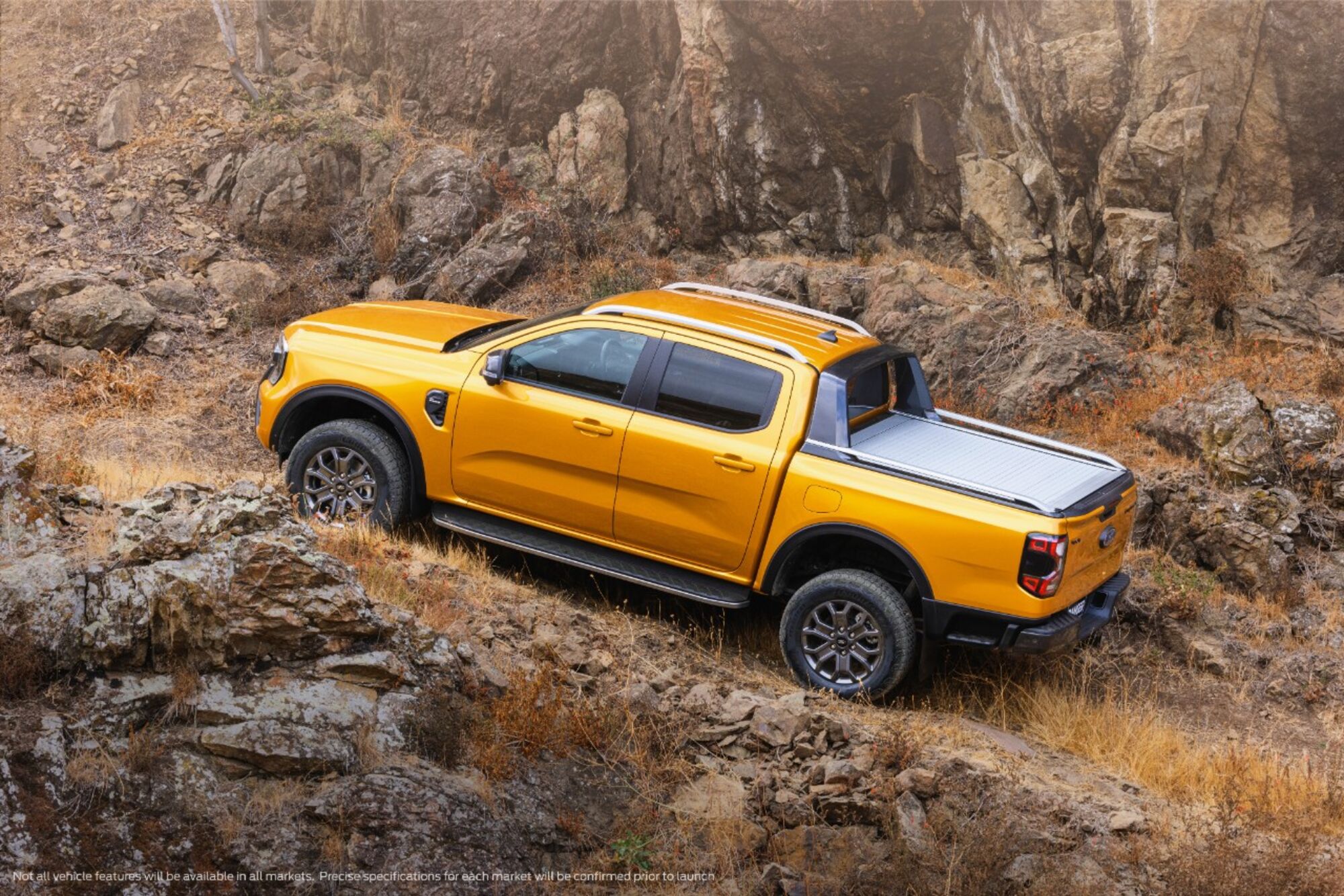
What Car? magazine’s website has suggested the changes mean a double-cab Ford Ranger (pictured) 2.0-litre diesel with CO2 emissions of 230g/km will now sit in the highest benefit in kind tax bracket of 37%, leading to a tax bill of of £8,880 a year for a 40% taxpayer or £13,320 a year at 60%.
Some businesses say these changes will have a significant impact.
“Our Ford Ranger double cab pickups are basically work tools,” Chris Archer, CEO of Bruno generator distributor BGG UK, told me. “We can’t tow the weight of a typical generator behind a car, and for service applications we often need the 4×4 off-road capability to reach more remote locations down dirt tracks.
“And I can’t see a van being at home in a muddy farm environment or a quarry. Also, we often have to respond to emergency call-outs from the military and other organisations, and we often don’t know what conditions we’ll encounter on site.”
Chris believes that a tradesman like, say, a window cleaner, probably doesn’t rely on having a double cab pickup and so, quite fairly, could be taxed accordingly. Perhaps eligibility could be determined by using the SIC (standard industrial classification) codes describing a business at Companies House.
Similarly Clive Dix, MD of Himoinsa Power Systems – coincidentally another generator supplier – told me recently that double cab pickups can be regarded invaluable business assets.
“If we need to assess a generator on a construction site, to test it we might need to tow a load bank that could weigh 2.5 tonnes, as well as necessary equipment and tools. A van would have a lower capacity.”
Clive also believes that certain business types or activities should be exempt from the government’s tax changes.
Photo: Ford Media Center
● Subscribe to the blog here to receive regular news updates for tool hire and plant hire professionals.