

Bird flu measures
28 January 2025
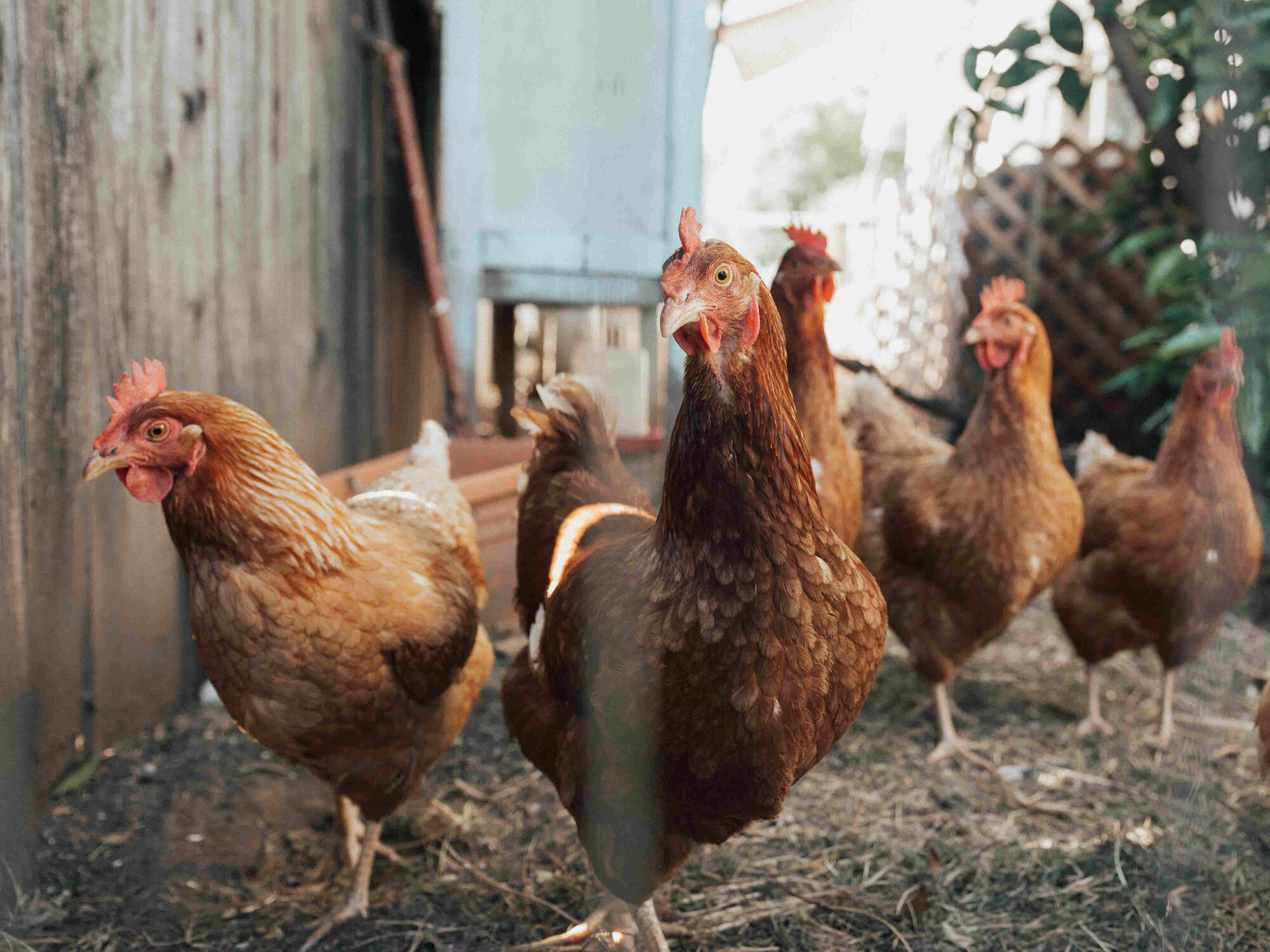
The original reason for starting this blog nearly five years ago was to follow the impact of Covid-19 on the tool hire and plant hire industries. Since then, it has also mentioned incidents of another virus, avian (bird) flu and how hirers might help those needing to implement preventative measures at premises.
Now the UK Health Security Agency (UKHSA) has confirmed a case of bird flu A(H5N1) in a person in the West Midlands. It says bird-to-human transmission of avian influenza is rare and has previously occurred a small number of times in the UK.
The person, who has been hospitalised and is currently well, acquired the infection on a farm, where they had close and prolonged contact with a large number of infected birds. The risk to the wider public continues to be very low, says the agency.
The birds were infected with the DI.2 genotype, one of the viruses known to be circulating in birds in the UK this season. This is different to strains circulating among mammals and birds in the US.
The US announced its first human death from the virus, in Louisiana, this month. Since last September there have also been ten cases reported in China and one in Vietnam, according to the Guardian.
UKHSA says that although there has been no demonstrated human-to-human transmission despite extensive recent surveillance of influenza A(H5N1), it has been tracing all individuals who have been in contact with the confirmed case. Those at highest risk of exposure have been offered antiviral treatment.
Professor Susan Hopkins, Chief Medical Adviser at UKHSA, said: “We have robust systems in place to detect cases early and take necessary action, as we know that spillover infections from birds to humans may occur.”
People are reminded not to touch sick or dead birds and it’s important that they follow Defra advice about reporting any suspected avian influenza cases.
UK Chief Veterinary Officer Christine Middlemiss said: “We took swift action to limit the spread of the disease at the site in question, all infected birds are being humanely culled, and cleansing and disinfection of the premises will be undertaken all to strict biosecure standards. This is a reminder that stringent biosecurity is essential when keeping animals.
We are seeing a growing number of avian flu cases in birds on both commercial farms and in backyard flocks across the country. Implementing scrupulous biosecurity measures will help protect the health and welfare of your birds from the threat of avian influenza and other diseases.”
The case comes three days after all of England and Scotland was declared a bird flu-prevention zone, with strict hygiene orders in place for fowls.
Those responsible for birds on both commercial farms and in backyard flocks are being advised to observe scrupulous biosecurity measures.
Amongst guidance for those keeping birds that are not housed is the advice to clean and disinfect all hard surfaces, concrete walkways, paths and similar surfaces regularly using a Defra-approved disinfectant. Equipment such as wheelbarrows, crates, containers, buckets, plastic egg trays and vehicles must also be cleaned and disinfected regularly.
Photo: Ben Moreland/Unsplash
● Subscribe to the blog here to receive regular news updates for tool hire and plant hire professionals.